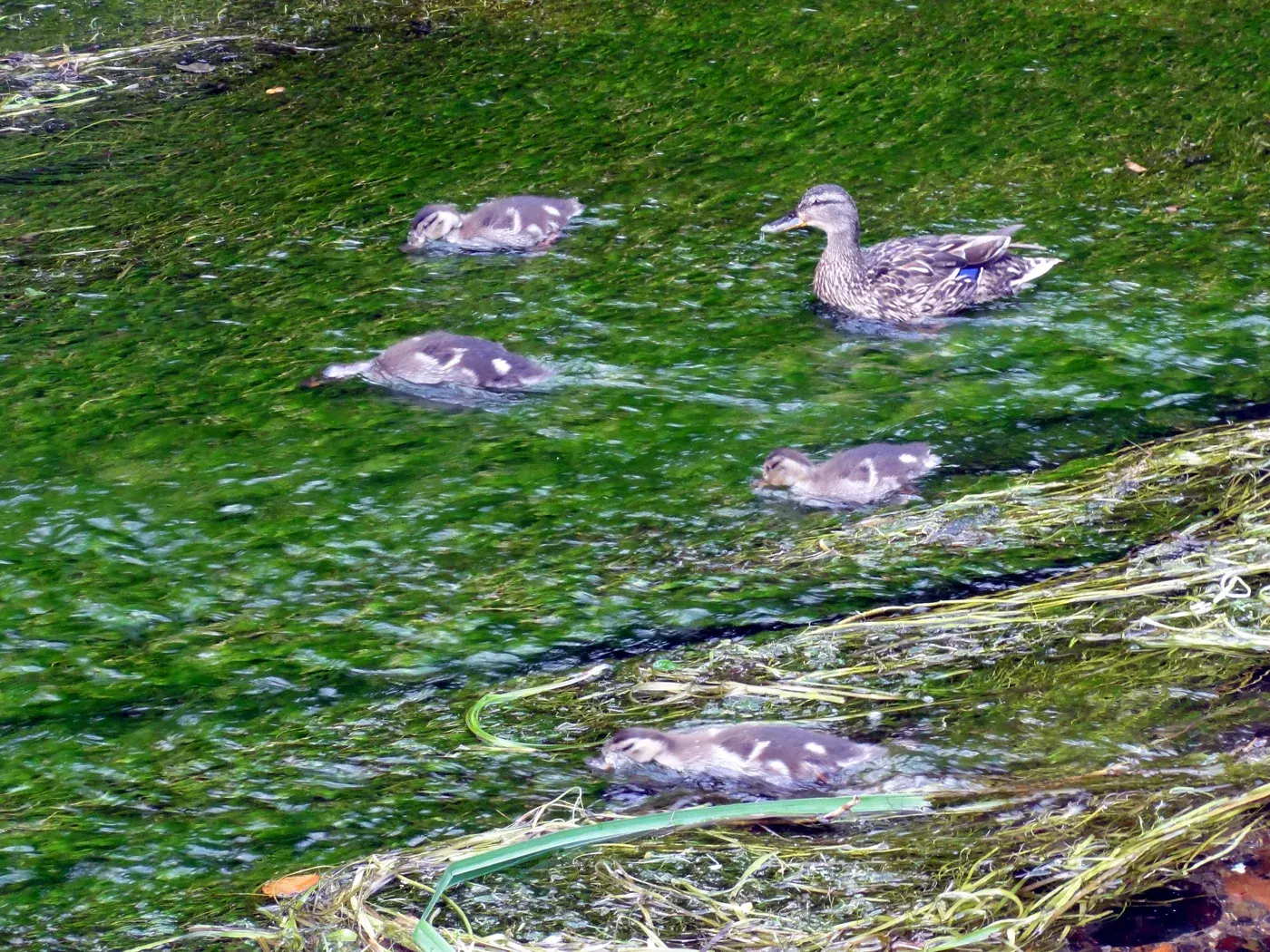

Councillors voted 33 to 0 to back eight rights for the River Stour, including the right to flow and to be free from pollution. The minutes are now published.
Canterbury City Council has declared its support for eight rights for the River Stour, including the right to flow and the right to be free from pollution. Every councillor present voted for it, 33 to 0.
The vote was at full council on Thursday 22 October. The council has now published the minutes of the meeting, which record the final wording and every vote.
The eight rights
The motion was proposed by Councillor Pat Edwards and seconded by Councillor Peter Campbell. It is modelled on Lewes District Council’s declaration for the River Ouse in East Sussex, according to the motion as printed in the agenda.
The rights it lists are:
- the right to exist in its natural state
- the right to flow
- the right to perform essential natural functions within the river catchment
- the right to feed and be fed from sustainable aquifers
- the right to be free from pollution, including light
- the right to native biodiversity
- the right to regeneration and restoration
- the right to an active and influential voice
Why the Stour
The motion calls the Stour one of only about 200 chalk streams in the world. The Great Stour and the Little Stour and Nailbourne all run through the district. The catchment includes Stodmarsh, a wetland of international importance under the Ramsar convention.
The motion also cites national figures: only 14% of UK rivers are in good ecological health, and none is in good chemical health.
What the council has promised
Everything is “as far as existing resources allow”, so no new money comes with it. The council resolved to:
- work with the Friends of the Kentish Stour and others on a Charter for the Stour that all partners pledge to uphold
- build the rights into future policy on planning, land use, water quality and biodiversity
- publish regular reports on the work of Stour Environmental Credits, a company the council owns
- support citizen science water testing
- ask the Environment Agency for an annual “State of the Rivers” report
- hold water companies to account over over-abstraction and raw sewage spills
- work with neighbouring councils, and the future East Kent unitary authority, to adopt river rights more widely
What changed in the debate
Councillors amended the first promise before the vote. The original asked the council to “establish how they should be enforced”. The minutes show that line was replaced.
The agreed wording supports the rights “whilst at the same time taking action to address the problems faced by residents and businesses in the district whose properties are affected by flooding”. The Charter with the Friends of the Kentish Stour was added as a separate promise.
What it means for you
The declaration does not change the law, and it gives the river no standing in court. Its practical effect will show in council policy, starting with planning and the Charter.
If you test water or volunteer on the river, the council has committed to supporting that work. If your home floods from the Stour, the amended wording puts flood problems alongside the river’s rights rather than behind them. You can check new applications near the river on our planning applications page.
Also decided at full council on 22 October
The minutes record several other decisions and answers:
- DBS checks for councillors. Members who are willing will have basic criminal record checks, starting with those elected in May 2027. The motion passed 33 to 1, with the council paying the cost.
- Whitstable harbour charges. The 2027/28 schedule was approved 32 to 0, but the fuel levy stays the same rather than rising by 1.5% as proposed.
- Local Plan. The council leader, Alan Baldock, said the plan will be submitted to the Planning Inspectorate before 31 December. Its examination is “pencilled in” for March or April 2027.
- Planning decisions. A national scheme setting which applications go to the planning committee took effect on 31 October. Several councillors said it would reduce public scrutiny of planning decisions.
- School parking in Herne Bay. Herne Bay Infants School had five enforcement visits this year, with 17 penalty charge notices issued. A further 19 visits to Herne Bay schools produced 32 more.
- Changing Places toilets. The council said there is no funding for these accessible toilets when the St George’s and Hampton seafront toilets are redeveloped in Herne Bay.
The same meeting heard that the council’s public spaces protection orders had been made unlawfully. We reported that on 28 October.
Have your say