
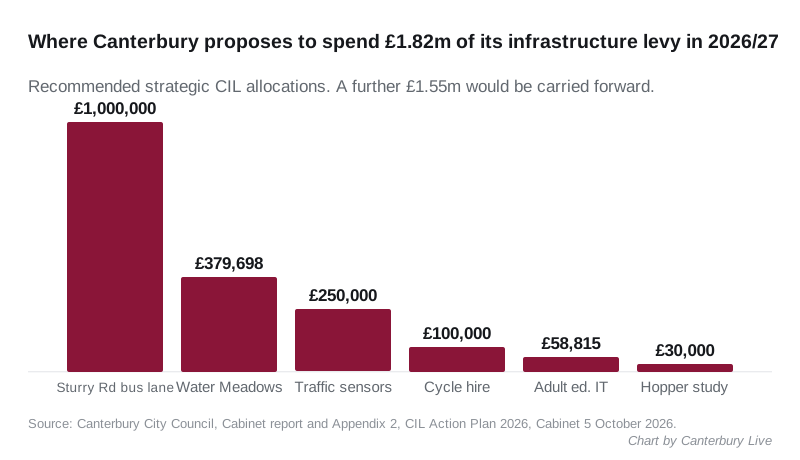
Canterbury's first strategic levy spend: £1.82m across six projects, £1m of it for a longer Sturry Road bus lane. Cabinet decides on Monday 5 October.
Canterbury City Council is proposing to spend its building levy on infrastructure for the first time. Cabinet will be asked on Monday 5 October to release £1.82 million to six projects.
The biggest single sum is £1 million towards a longer bus lane on Sturry Road, the busiest bus corridor into the city.
Last month we reported that the council had collected £3,370,289 in strategic Community Infrastructure Levy and not spent any of it on a project. This is the plan to start.
What the £1.82m would pay for
The Cabinet report on the CIL Action Plan 2026 recommends these allocations for 2026/27:
| Project | Amount | Type |
|---|---|---|
| Sturry Road bus lane, phase 1 | £1,000,000 | Transport |
| Water Meadows Primary School expansion, Hersden | £379,698 | Education |
| Traffic monitoring sensors across the district | £250,000 | Transport |
| Cycle hire rollout | £100,000 | Transport |
| Canterbury Adult Education Centre digital upgrade | £58,815 | Community |
| Hopper bus delivery options appraisal | £30,000 | Transport |
The remaining £1.55 million would be carried forward. The report says that allows money to be pooled for bigger schemes, naming a Whitstable park and bus facility as one.
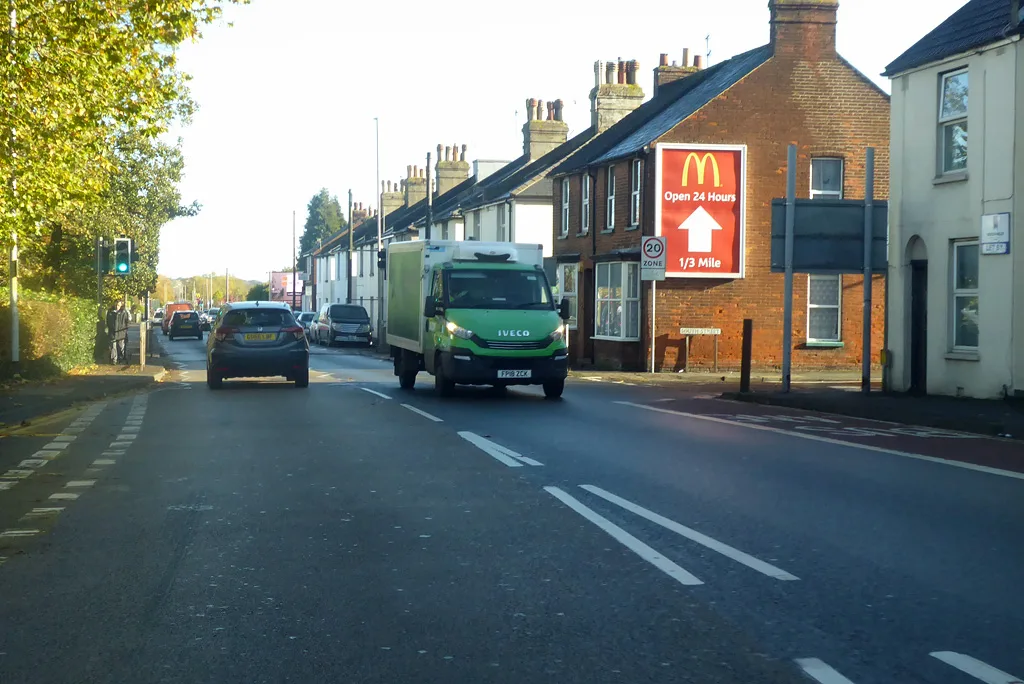
The Sturry Road bus lane
The council’s CIL Action Plan appendix calls Sturry Road “the most used bus corridor in Canterbury”. It carries 14 buses in the morning peak hour, plus the Sturry Road Park and Ride service.
The full scheme would run a bus lane from the new Sturry link road to Tourtel Road, in four phases:
- Phase 1: Park and Ride to South Street
- Phase 2: Sturry link road to the Park and Ride
- Phase 3: Starle Close to Tourtel Road
- Phase 4: Asda to the TA centre
Only phase 1 is being funded now. Kent County Council’s working estimate for it is £2.3 million. KCC expects to put in about £1.3 million from its government Bus Service Improvement Plan grant, and the levy would supply the other £1 million. KCC would build it, so the money would be paid straight to the county council.
Construction would “likely begin in 2027/2028”, the appendix says.
It will not happen without traffic orders. The scheme needs orders to remove on-street parking and create the bus lane. Any objections would go to the Joint Transportation Board. The appendix adds that the scheme “will need political support from both administrations to succeed”, meaning the city and county councils.
The other five
Water Meadows Primary School, Hersden. The Department for Education is replacing the school’s building through its Schools Rebuild Programme. KCC has agreed with the DfE that the new building will have core facilities big enough for two forms of entry, up from one. The DfE money and developer contributions fall short, so KCC asked for £379,698 to close the gap. Work is expected to start in late 2026 and finish in early 2028.
Traffic sensors. £250,000 for roadside sensors counting cars, buses, cycles and pedestrians in real time. The appendix says the council still relies on 2011 census travel data, because the 2021 census was skewed by the pandemic. The sites would be agreed with KCC. The target is to have them working from April 2027.
Cycle hire. £100,000 towards expanding the scheme already launched in Canterbury with Beryl Bikes. The Transport Strategy plans cycle hire for Whitstable and Herne Bay too.
Adult education. £58,815 to upgrade the network and teaching technology at Canterbury Adult Education Centre, run by KCC. Completion is expected in summer 2027.
Hopper bus study. £30,000 for a six-month appraisal of a city hopper bus: loops around Canterbury at a flat fare, so passengers need not change at the bus station. The appendix says a service could run within 12 to 18 months of a funding deal, once it is procured.
What is not being spent
Two pots stay untouched:
- Health: £117,960 is ringfenced for health, but the NHS Kent and Medway Integrated Care Board is reviewing its estate strategy and put forward no schemes. The money rolls into next year.
- Town money: the £461,762 of neighbourhood levy for Canterbury, Whitstable and Herne Bay, which have no parish councils, is not in this plan. The Cabinet report says officers will “review options” and report back to the CIL advisory board.
The plan was recommended by the council’s cross-party CIL Spending Advisory Board on 22 July 2026. Cabinet is also asked to let the joint chief executives approve spending up to 10 per cent above each project budget.
What it means for you
If you catch a bus or the Park and Ride along Sturry Road, this is the first funded step towards a bus lane covering more of the route. Expect a traffic order consultation before anything is built. That is when on-street parking changes would be set out and objections can be made.
If you want to have your say before Cabinet decides, the meeting is at 7pm on Monday 5 October at the Guildhall, St Peter’s Place. The agenda says members of the public may speak on the item for up to three minutes. You must notify Democratic Services by 12.30pm on the working day before, which is Friday 2 October.
The council is also running a travel choices survey on how people get around the district, including by bus. It closes at 9am on Monday 26 October.
Current closures and works around the city are on our Canterbury roadworks and travel page.
Sources
- Canterbury City Council, Cabinet report: CIL Action Plan 2026 (PDF), for the £1.82m allocations, the £1.55m carried forward, the £461,762 neighbourhood pot and the 22 July advisory board recommendation.
- Canterbury City Council, Appendix 2: CIL Action Plan 2026 (PDF), for the Sturry Road phases, costs and timing, the sensor, hopper bus and cycle hire detail, the Water Meadows and adult education projects, and the health pot.
- Canterbury City Council, Cabinet agenda, 5 October 2026, for the meeting time, venue and public speaking rules.
- Canterbury City Council, Travel choices survey, published 28 September 2026.
Have your say