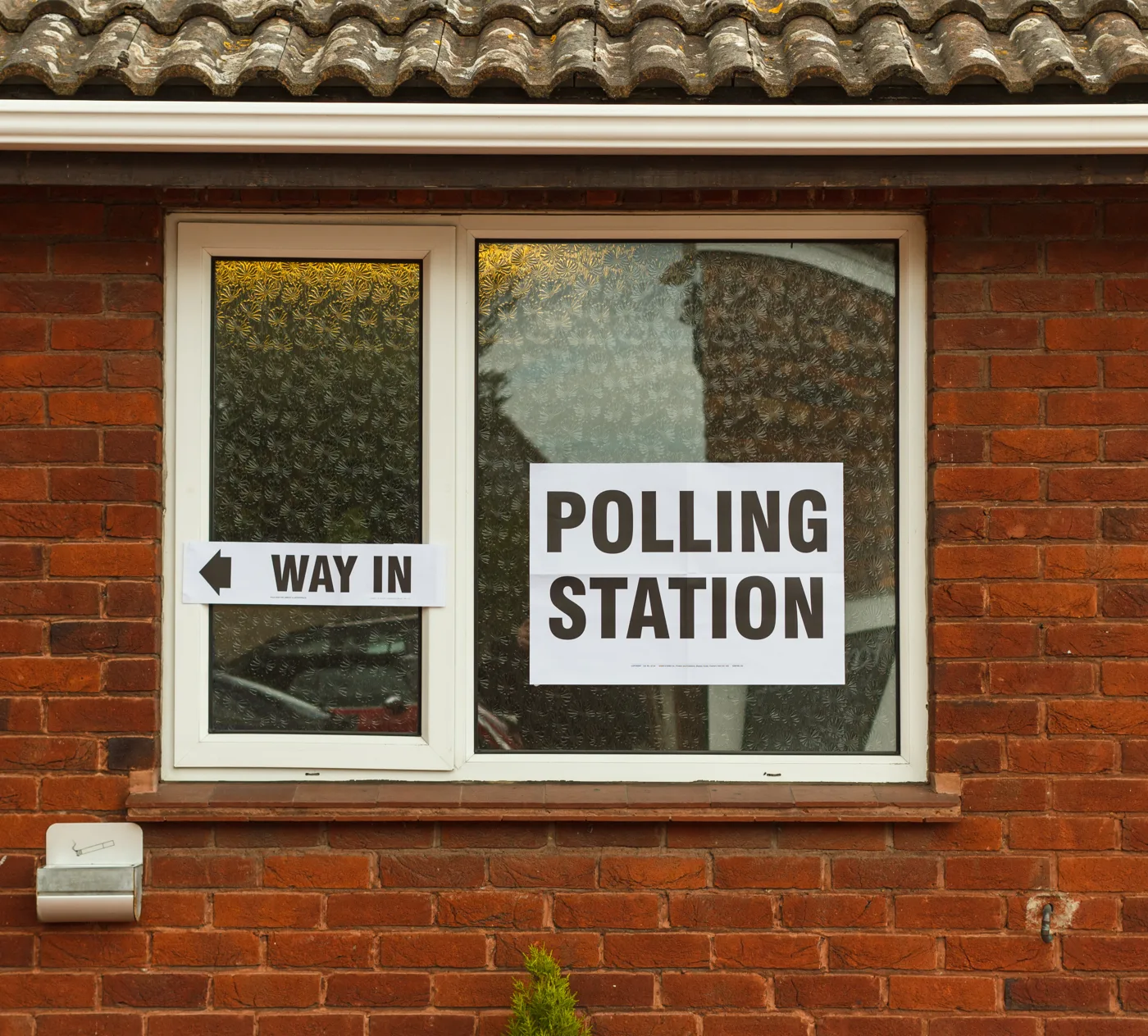

The council is contacting every household by 1 December. One letter must be answered even if nothing has changed, the other only if your details are wrong.
Canterbury City Council has started its annual canvass, the yearly check of who is eligible to vote at each address, and every household in the district will be contacted over the next two months. The council announced it on 12 August.
The part worth knowing before the envelope arrives is that there are two different letters going out, and only one of them has to be answered.
Route One and Route Two
The council splits households into two groups depending on whether it could match the people living there against local and national records.
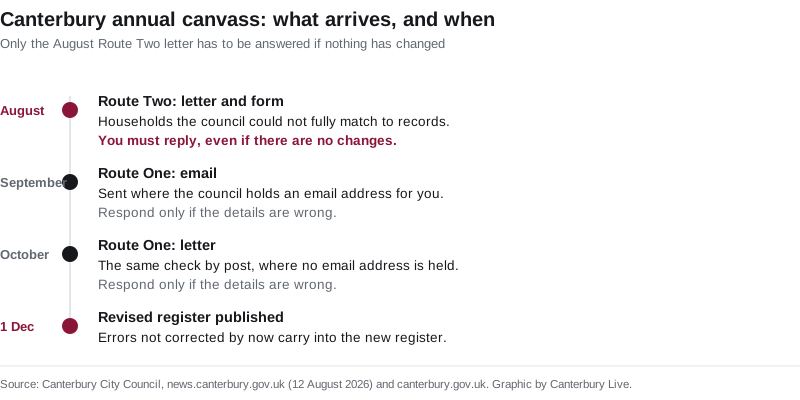
Route One means everyone who can vote at your address was matched. The council’s own wording is that “you only need to respond if the information on the form is not correct”. If an email address is held for you, that contact comes in September. If not, a letter follows in October.
Route Two means the council “couldn’t match everyone that can vote in your household to local and national records”. Those households get a letter and a form in August, and the council is explicit: “You need to reply to it even if there are no changes to your details.”
So if a form lands this month and it tells you to respond, that is the Route Two letter and ignoring it is the thing that causes problems. A September email that simply asks you to check details you know are right can be left alone.
What happens if you do not reply
The council does not simply give up. It says that where there is no response it will “contact you again by either email, a letter, or a phone call”, and continued silence can end in a canvasser knocking at the door. Answering the first letter is the way to avoid the doorstep visit.
There is also a legal backstop, though it is worth being precise about what it covers. Not replying to a canvass letter is not itself the offence most often quoted. The clear statutory position on GOV.UK is that “You must register to vote if an electoral registration officer asks you to do so” and that “if you’re asked to register and do not, you could be fined up to £1,000”. In practice the canvass is how the council works out who it needs to ask.
Why the register is worth being on
Being on the electoral register is not only about voting. Canterbury City Council notes that the register can be used for “elections, preventing fraud, and credit checks for loans or other applications”. If you have ever been turned down for credit or a phone contract for reasons you could not identify, not appearing at your current address is one of the routine causes.
There is a second register, and this one you can opt out of. The open register “can be bought by any person, company or organisation”. Contacting the council’s elections team to be removed from it stops your name and address being sold on, and the council confirms it “won’t affect your right to vote”.
What it means for you
Check which letter you have. If it is the August form that says you must respond, reply even if nothing at your address has changed. The online route is at householdresponse.canterbury.gov.uk, and the paper form comes with the letter.
If yours is the September email or the October letter and everyone listed is correct, you do not need to do anything.
Either way, the revised register is published on 1 December, so December is when any mistake becomes real. The elections team can be reached at electoral.services@canterbury.gov.uk or on 01227 862007, and it is the same team to ask about postal votes or about coming off the open register.
One point of confusion worth clearing up: the electoral register is separate from council tax records, and correcting one does not correct the other. If you have moved within the district recently, check your council tax band and account details as well.
Have your say