
Four district groups share £9,264, led by £5,500 for adder habitat at Kingston. Herne Bay scouts and two house martin projects are also funded.
A parish council’s plan to look after adders on a railway embankment has won the largest share of Canterbury City Council’s latest biodiversity grants.
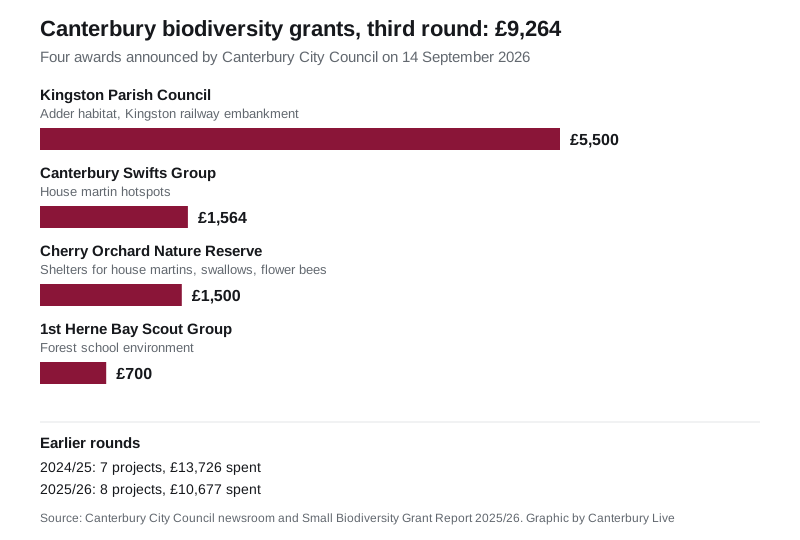
Four organisations in the district will share £9,264 in the scheme’s third round. The council announced the awards on 14 September.
Who got the money
- Kingston Parish Council: £5,500, to manage adder habitat on the railway embankment at Kingston. Kingston is a village about five miles south-east of Canterbury.
- Canterbury Swifts Group: £1,564, to create house martin hotspots.
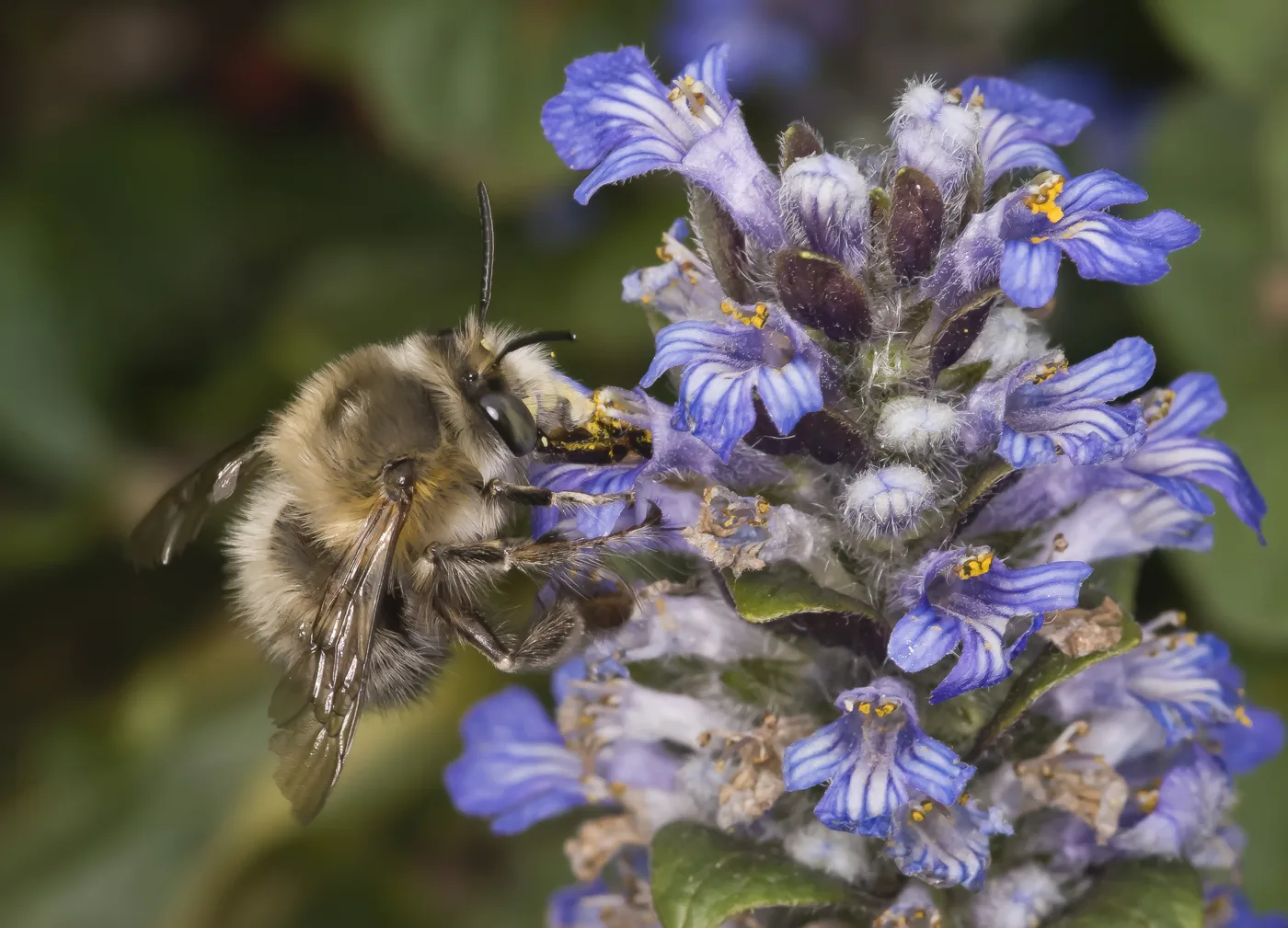
- Cherry Orchard Nature Reserve: £1,500, for shelters for house martins, swallows and the hairy-footed flower bee.
- 1st Herne Bay Scout Group: £700, to create a forest school environment.
Cllr Mel Dawkins, the council’s cabinet member for biodiversity and the environment, said this year is “the first time we are funding work to look after the UK’s only venomous snake, the adder”.
Two groups whose bids were turned down will still go ahead. The council has given them section 106 money instead, which is cash paid by developers as a condition of planning permission:
- Kentish Stour Countryside Partnership, for riverbank restoration in the Franciscan Gardens in Canterbury.
- Herne Bay in Bloom, for coastal garden areas at Neptune car park and William Street.
The council did not say how much section 106 money either project will receive.
What the earlier rounds paid for
The grants began in 2024. The council says nearly 20 schemes have now been backed, and its report on the 2025/26 round sets out how the money has been spent so far.
| Round | Bids | Projects funded | Final spend |
|---|---|---|---|
| 2024/25 | 10 | 7 | £13,726.39 |
| 2025/26 | 13, asking for £33,375 | 8 | £10,676.75 |
| Third round, 2026 | Not published | 4 | £9,264 awarded |
The first round offered a £15,000 pot, with bids of up to £7,500 each. Projects had to be in the district, improve local wildlife, be community led, and come with a maintenance plan of at least five years.
The eight projects in the 2025/26 round were:
- Sturry and District United Church: nest boxes, a bug hotel, herb beds, bee borders and an avenue of apple trees at the Milner Memorial Ground.
- Sturry Parish Council: bird, bat and owl boxes and bluebell bulbs for its centenary woodland and cemetery.
- Ickham Village Hall: bird boxes, bug hotels and butterfly stations, with one bird box carrying a camera.
- Canterbury Swifts Group: 17 swift boxes in Herne Bay streets, five of them at Herne Bay Infant School, plus ten “callers” that play swift calls to attract birds to the boxes.
- Friends of Canterbury Cemetery: pollinator planting, bulbs and wildflower seed.
- Water Meadows Primary School: dead hedging, bug hotels, bird and bat boxes and a wildflower area.
- Hackington Parish Council: restoring a woodland pond and creating a new one at Tyler Hill Meadow Nature Reserve.
- Friends of West Cliff Bank: a butterfly wildflower meadow.
The report says some results will take time. For the Herne Bay swift boxes, it says “the success rate for each box is yet to be determined”.
It also signals a change of direction. Officers wrote that “although it has been great seeing so many bug hotels and bat, bird, and owl boxes, in future the council would like to fund projects that show clear improvements in local biodiversity and the natural environment on a more significant scale.” This year’s biggest award, for habitat management rather than boxes, fits that shift.
What it means for you
If you are near one of these sites, the work is local and mostly volunteer led. The report names community and volunteer engagement as one of the harder parts of the scheme, so the groups involved are likely to want help.
If your group wants to bid next year, the report lists the kind of projects the council wants: tree and hedge planting, hedge laying, woodland management, pond creation, wildflower meadows and community gardens. A fully costed plan and a five-year maintenance plan were required in earlier rounds. The council has not yet announced when the next round opens.
In Herne Bay, this sits alongside the £270,000 the council secured for three Herne Bay play areas earlier this month.
Sources
- Canterbury City Council: Four more organisations secure a biodiversity grant, 14 September 2026, for the four awards, the section 106 projects and Cllr Dawkins’s comments.
- Canterbury City Council: Small Biodiversity Grant Report 2025/26, for the earlier rounds, the criteria, the 2025/26 projects and the officers’ evaluation.
Have your say